Buying Guides
Renter-Friendly Lighting Upgrades: No Drilling
If you buy through links on this page we may earn a commission at no extra cost to you.
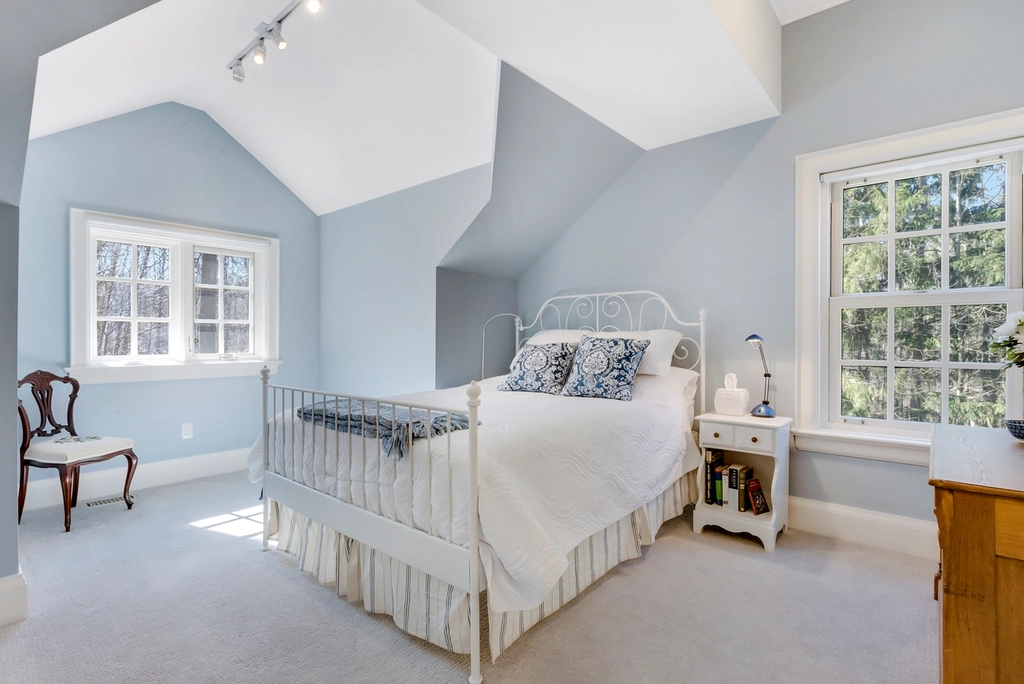
No drill, no wiring, no deposit arguments — almost everything that makes a bedroom feel good at night can be bought, plugged in and packed up when the lease ends. The only real constraint is where the outlets already are, so every renter lighting plan starts from the sockets you have, not the fixtures you wish you had.
Swap the bulbs before buying anything
The cheapest upgrade in any rental is hiding in the ceiling fixture: the bulb the landlord installed, almost always a cool 4000K or 5000K that makes the whole room feel like a waiting room. Unscrew it, replace it with an 800-lumen 2700K LED, and the room drops a whole mood level for about $8. Check the fixture’s maximum wattage marking first — any modern LED sits far below it — and if the fixture takes two bulbs, change both so the color matches. Pocket the original bulbs and store them; the lease says the fixture stays, so the old bulbs go back in when you move out, and the good ones come with you.
Bulb swaps cover the fixtures you cannot remove, which is most of them in a rental. If the ceiling has an integrated LED panel with no replaceable bulb, skip it entirely and spend the money on layers you control. One more trick from the same drawer: a plug-in dimmer cord between the wall and a bedside lamp makes a non-dimming lamp dimmable for $10 to $15, no electrician and no wall surgery required.
What plugs in instead of drilling in
Once the bulbs are sorted, everything else is furniture with a cord. A floor lamp fills the dead corner that overhead light never reaches — a torchiere washes the ceiling for ambient fill, while an arc lamp with a shade drops warm light where a table would have to sit. Clamp-on and swing-arm lamps grip a headboard or desk edge and solve reading light without one screw; our wall-mounted reading light guide covers the no-drill options in detail. Corded wall sconces hang on a single nail or heavy-duty adhesive hook and look wired even though they are not.
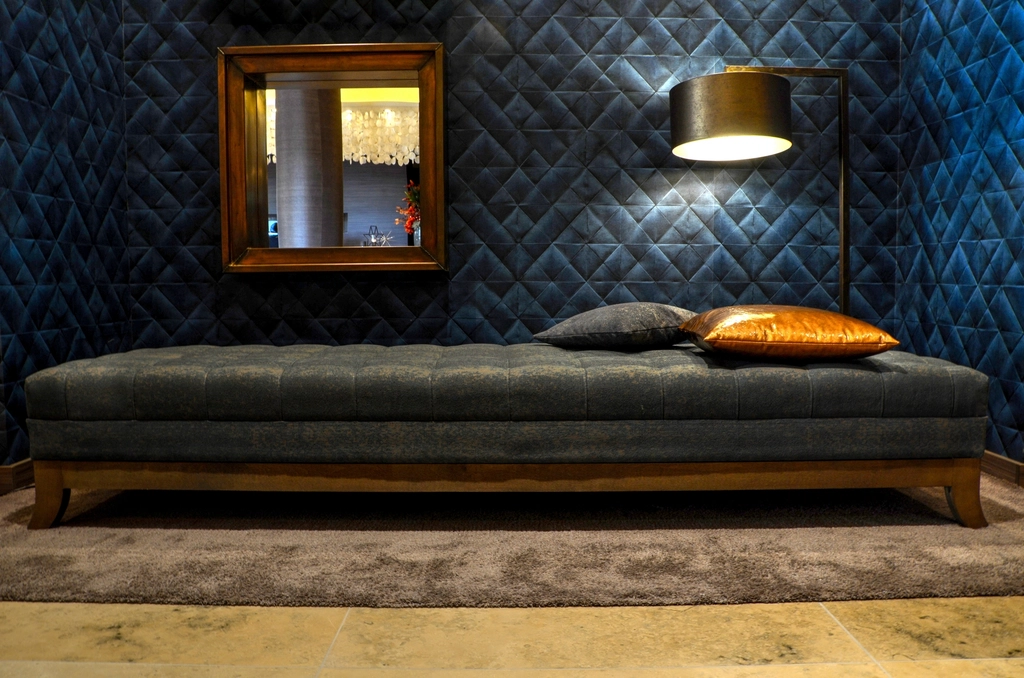
The honest constraint is outlets: you cannot move them, so measure before falling in love with a lamp that has to live four feet from the nearest socket. A short extension cord rated for indoor use solves most gaps, and cord covers or a run of adhesive clips keep the result from looking like a cable disaster. After that, smart plugs turn any lamp into a phone-controlled, schedulable lamp — the cheapest possible taste of smart lighting, and it leaves with you too. Our smart plug guide walks the two-minute setup. Pair one plug with the floor lamp and the lamp stops being a thing you walk across the room to switch.
Adhesive lights without wrecking the paint
Adhesive is where renters get nervous, and the caution is earned. LED strips carry their own sticky backing, and the safe-removal ritual is always the same: warm the strip with a hairdryer for thirty seconds, then peel slowly and low, pulling the strip back against the wall rather than straight out. Test in a hidden spot behind the headboard before committing a visible run. Fresh paint under a year old is the riskiest surface; older, fully cured paint releases far more willingly.
For anything heavier than a strip, use rated hooks instead of hope. Command-style hooks hold string lights and thin cord sconces comfortably within their printed weight, and they surrender cleanly when pulled by the tab. LED strips deserve one more buying note: the cheap ones use adhesive that ages badly, so pay a few dollars more for a strip with 3M backing — our bedroom LED strip guide lists what to check. Battery puck lights bring closets and dark alcoves to life with no cord at all, and a motion-sensing night light in the hallway costs about $10 and quietly handles every midnight trip. Warm white everywhere: 2700K or lower, so the adhesive layer matches the lamps instead of fighting them. What stays off the list: drilling, hardwiring, anything mounted to the ceiling, and any fixture heavy enough to leave a mark if it slides down at 3 a.m.
Take it with you when the lease ends
Run the whole plan and you will own roughly $100 to $150 of lighting that unscrews, unplugs and peels away in an afternoon — bulbs into a shoebox, lamps in their original packaging if you kept it, strips off with heat and patience. Buy light in warm, neutral finishes rather than trend colors and the same lamps work in the next apartment, whatever the walls look like there. A drum shade and a warm 2700K bulb make as much sense in a 1950s walk-up as in a new build, so nothing you bought goes out of style with the address. That is the mindset shift that makes renter lighting worth doing: stop treating light as the landlord’s property. The fixtures belong to the building; everything that makes the light good belongs to you, and every piece of it goes in the moving box.
Frequently asked
- Will LED strip adhesive pull the paint off my walls?
- It can, especially on fresh paint, if you rip the strip off fast. Warm the adhesive with a hairdryer, then peel slowly at a low angle against the wall. Test in a hidden spot first, and be extra careful on paint applied within the last year.
- Are plug-in wall sconces safe to leave on?
- Yes, if the fixture is safety-listed and the cord is intact. Keep cords out from under rugs, let LED bulbs run cool behind fabric shades, and check that the plug is not warm to the touch after an hour. These are corded lamps, not wiring hacks.
- Can I hang string lights with Command hooks?
- You can, within the weight rating of each hook. Spread the strand across several hooks instead of spanning one long run, press each hook for the full 30 seconds, and remove by pulling the tab straight down, never by lifting the hook itself.