Buying Guides
The Complete Reading Light Buying Guide
If you buy through links on this page we may earn a commission at no extra cost to you.
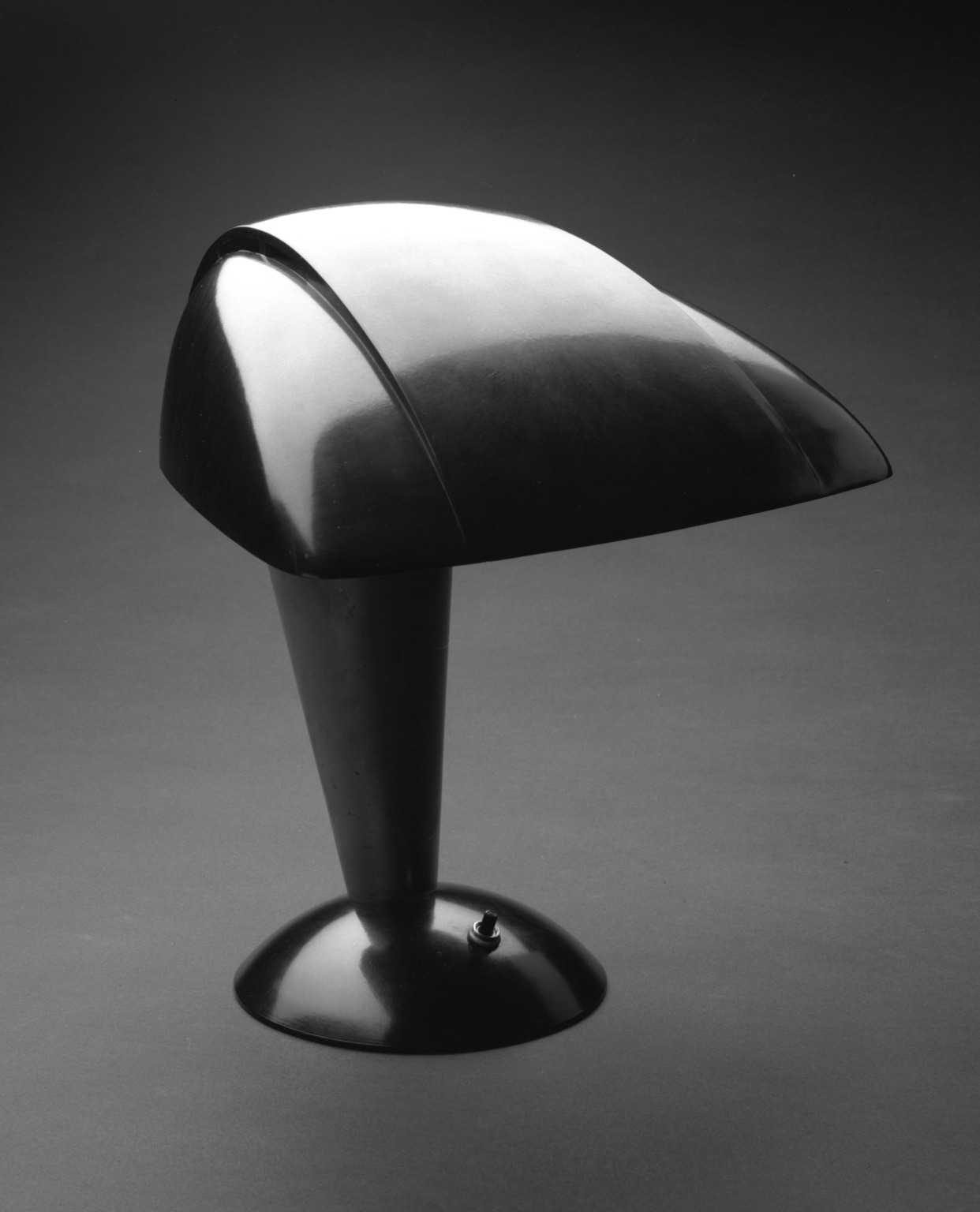
A reading light fails in one of three ways: too dim to resolve small print, too bright for the hour, or aimed so the pillow glows instead of the page. Almost every disappointed buyer tripped on one of those three, not on brand or price. Get four things right — beam control, output, color temperature and mounting — and even a modest budget buys a light you will still like in five years.
What we look for in a reading light
Beam control first. A reading light is a spotlight wearing furniture clothes. The best designs put most of their output inside a circle the size of two open pages and let the rest of the room stay dark. That means an adjustable head, a deep shade, or a small lens in front of the LED. A fixed globe that throws light upward and outward forces you to overbrighten the whole room just to read one book — and in a shared bed, that is a negotiation you will lose every time.
Output measured at the page. Boxes list lumens at the source, but distance and shade lining take a cut; a fabric shade alone can absorb 20 to 40 percent before the light reaches you. Aim for roughly 400 to 500 lumens arriving at the page for print books, or 150 to 250 if you mostly read an e-reader or phone. The task-by-task numbers are broken down in our bedside lamp lumen guide.
A color you can live with at night. 2700K has become the default for good reasons: print stays sharp and the light stops well short of telling your body it is morning. For a lamp used only after ten, 2200K to 2400K is kinder still. What the K number actually describes, from candle flame to overcast sky, is explained here in plain words.
Mounting that matches the room. A wall or headboard mount frees the nightstand and aims better than anything sitting on a table, but it needs a hole or a forgiving headboard. Floor lamps solve the armchair. Clip-ons solve travel and thin budgets. Pick the mount before the style, not after.
Honestly, most reading-light regret turns out to be a glare problem in a brightness costume: the lamp was fine, but the bare bulb sat in the line of sight and washed every page out.
Three families worth choosing between
Wall-mounted reading lights ($40 to 90) aim better than anything else because the arm pivots exactly where your head is, and they hand the nightstand back to the water glass. Plug-in versions need one screw and an outlet; hardwired ones need ten minutes of an electrician. The catch is commitment — move the bed later and the light stays.
Floor reading lamps ($70 to 120) cover both the bed and an armchair, and an arc or swing-arm model parked beside the headboard behaves remarkably like a wall light. The trade is floor footprint and a wider beam, which matters more with a sleeping partner than without one.
Clip-on book lights ($15 to 25) are the honest budget pick. Sitting inches from the page, a small LED chip outperforms its numbers, and current rechargeable models last several long evenings per charge. They light the book, not the room — either the whole point or the dealbreaker.

Matching the specs to how you actually read
Paper with small print — the cramped type of a thriller or a fat paperback — wants the top of the output range and, ideally, a color rendering score of 90 or higher, so cream paper and red chapter numerals read true.
E-readers and phones need far less. The screen is self-luminous; the lamp’s real job is keeping the room from feeling like a cave and your eyes from working across a hard edge between bright glass and dark walls. 150 to 250 lumens, warm, aimed past the screen.
A bed shared with a sleeper reshuffles the priority order: beam control outranks raw output, because the nicest 500-lumen flood is useless if half of it lands on someone’s eyelids. Narrow beam, close source, mounted low.
Crossword, journal, knitting — sustained close work at arm’s length — asks for the brightest setting plus a wide-but-controlled beam, ideally from above and slightly behind your shoulder so no shadow falls across the work.
Occasional readers who mostly wind down should invert the whole exercise: buy for the low end, not the top. A lamp that dims to a genuine 100-lumen glow serves 300 evenings a year better than a spotlight used twice a month, and the sudden reading urge can always borrow the ceiling light for a night.
A five-minute checklist before you pay
- Does the head aim, or does the lamp merely glow? Adjustable head, deep shade or lens — at least one of the three.
- Take the boxed lumen number and mentally subtract for distance and shade; when in doubt, buy dimmable and slightly brighter.
- Find the kelvin figure on the box; 2700K for a do-everything lamp, 2200K to 2400K for evening-only use.
- Find CRI on the lighting label — here is how to read that panel. 80 is acceptable, 90-plus earns its keep up close.
- Plan the mount and the cord route before unboxing, not after.
One honest caveat closes the list: a reading light is the rare purchase where the cheap end can win outright. A $20 clip-on beats a $90 table lamp whenever the table lamp’s beam is wrong, and nothing on a price tag fixes bad optics.
Buy for the beam first. Everything else on the box is negotiable.
The picks
Articulating wall-mounted reading light
Generic contemporary · $55-85 · Rated 4.6/5
The best-aiming option in any budget: a pivot arm puts 450-plus lumens on two open pages while the nightstand stays clear and the pillow stays dark.
Best for: Anyone reading in bed most nights
- Beam lands on the page, not the pillow
- Frees the entire nightstand surface
- Available in plug-in versions that need only one screw
- Mounting is permanent until you patch the hole
- Shade or dimmer not included on every model
Swing-arm floor reading lamp
Generic contemporary · $75-115 · Rated 4.4/5
Covers a bed and an armchair with one purchase, and a weighted base keeps the reach arm from wandering — if you have the floor space.
Best for: Rooms where one light serves two seats
- Long reach positions light over the shoulder
- Weighted base resists wobble
- Usually arrives with a dimmable warm bulb
- Wider beam than a wall-mounted head
- Base takes about a square foot of floor
Rechargeable clip-on book light
Generic contemporary · $15-25 · Rated 4.3/5
The budget specialist: inches from the page, a small LED punches above its numbers, and two warm levels cover most paperbacks.
Best for: Travel, thin budgets and shared beds
- Zero spill toward a sleeping partner
- Charges over USB, runs several evenings per charge
- Clamps on headboards and e-reader cases alike
- Lights only the book, never the room
- Cheapest versions dim by flickering
| Model | Beam control | Output class | Mounting | Nightstand cost | Price |
|---|---|---|---|---|---|
| Wall-mounted reading light | Pivot arm, narrow | 400-500 lm | One screw or hardwire | None | $55-85 |
| Swing-arm floor lamp | Reach arm, medium | 500-700 lm | Floor base | None | $75-115 |
| Clip-on book light | Fixed, very narrow | 100-300 lm | Clamp | None | $15-25 |
Frequently asked
- Is a clip-on light bright enough for real reading?
- Yes, if it delivers 300 lumens or more at the page. Clip-ons sit inches from the book, so a modest LED chip goes further than the same chip would inside a distant table lamp.
- Can a floor lamp work as a bedside reading light?
- It can, especially an arc or swing-arm model parked beside the headboard. The trade is floor footprint and a wider beam, which matters more in a shared bed than a solo one.
- What color temperature is best for reading at night?
- 2700K is the safe default: sharp enough for print, warm enough to stay short of a wake-up signal. For a lamp used only after ten, 2200K to 2400K is gentler on late nights.