Buying Guides
Dimmer Switches 101: Types, Loads, Buzzing
If you buy through links on this page we may earn a commission at no extra cost to you.
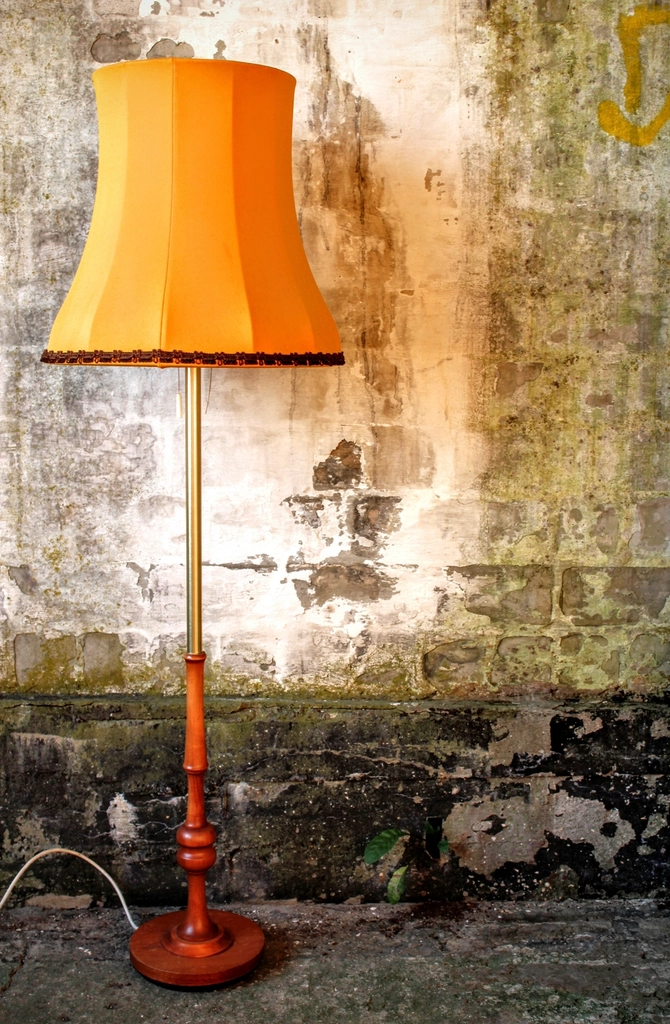
Dimming is the difference between a room with one mood and a room with several. The hardware is cheap, the swap takes an afternoon, and yet half the complaints people file about dimmers — buzz, flicker, dead zones at the low end — trace back to one mismatch: the wrong dimmer paired with the wrong bulbs. Start with the load, not the switch, and most of those complaints never happen.
The four dimmers you will meet
The rotary dial is the classic. Turn the knob, dim the room. Inside sits a component called a triac that chops up the power waveform, which is cheap and effective but the noisiest design here. Fine for a hall closet, less charming next to a bed.
The paddle with a slider is what builders install now. The paddle switches, the slider sets the level, and many models remember the last position. A quiet, unremarkable workhorse — the safe default for a bedroom. Slider travel matters more than it looks on the package: a longer throw puts more of your evening’s range at the low end, which is exactly where a bedside circuit lives.
Electronic low-voltage (ELV) dimmers are the refined cousin. They trim the waveform’s trailing edge instead of its leading edge, which makes them quieter and smoother at the low end — exactly where a bedside circuit spends its evenings. The cost is a higher price and fussy opinions about which bulbs they accept.
Smart dimmers add a radio: scenes, schedules, dimming from the phone, and often a nightlight glow on the paddle itself. Many need a neutral wire in the wall box, which older houses sometimes lack — check before buying, not after the faceplate is off. In return they quietly solve several classic problems: no minimum-load flicker on many models, per-bulb calibration in software, and a hard switch at the paddle that keeps the room usable by anyone who has never met the app.
Loads: where most problems start
A dimmer is rated for a load window — a minimum and a maximum in watts. The maximum is easy; the minimum is the trap. Old dimmers expected 25 watts or more, and a 9-watt LED sits so far below that floor the circuit cannot behave, hence flicker and sudden cutoffs. Dimmers marked “LED compatible” lower the floor; the package always lists a range like “150W LED / 600W incandescent.”
Two more habits prevent the rest of the trouble. First, the bulb must say dimmable — a non-dimmable LED on a dimmed circuit whines, strobes and then quits early. Honestly, that combination is the fastest way to buy a new bulb. Second, add up the watts on the circuit: three 800-lumen bulbs plus a fan motor can exceed the dimmer’s rating, and overloads announce themselves as heat, not suggestions.
The trim dial matters more than the packaging suggests. A small screw behind the faceplate sets the dimmer’s bottom limit, and three minutes of adjustment turns a flickering low end into a usable candle setting. Do it with the actual bulbs installed, since the right value depends on their drivers.

The buzz, decoded
The triac dims by slicing the power cycle 120 times per second, and every slice is a tiny vibration. In an incandescent bulb the filament sings along; in an LED the driver electronics do, sometimes at a pitch the bedroom decides is interesting at midnight. The wall box can hum too, from the same chopping.
Small hum at mid-range dim is normal; a room-filling drone is not. The fixes run in order of cost: use bulbs listed as compatible with your dimmer brand, turn the small trim dial inside the faceplate until the low end stabilizes, or step up to an ELV or smart dimmer, which chops more gently. If the bulb buzzes but the wall box is silent, the bulb is the culprit — swap it before swapping the switch.
One neighbor deserves a warning: a ceiling fan on the same dimmed circuit. Fan motors are inductive loads most lamp dimmers were never designed for, and they hum far louder than any bulb. Fan speed controls are a separate product, and the pairing rule they enforce is worth repeating — one load type per dimmer.
If you cannot touch the wiring
Renters get the same effect without opening a wall box. A plug-in dimmer sits inline on any lamp cord for $12 to 20 and dims whatever bulb is in it. A dimmable smart bulb dims in software instead, needing nothing but a socket. And warm-dim bulbs shift color toward amber as they dim, which is the closest thing to sunset a hardware store sells. Whichever route you take, buy dimmable bulbs even before any dimmer exists — a bulb that can dim today can follow a smart plug tomorrow, and non-dimmable LEDs are the one mistake this corner of the market keeps punishing. The arithmetic of picking output first still applies — the lumen numbers by task set the ceiling before the dimmer sets the floor.
For a whole room done without a single hole, the renter-friendly upgrade list collects the no-drilling options, and the wattage questions behind every dimmer choice are untangled here. None of these routes require an electrician, which is rather the entire point.
Frequently asked
- Can I put a dimmer on any lamp?
- Any lamp with a dimmable bulb, yes — plug-in dimmers sit inline on the cord and need no wiring. Touch-control lamps are the exception: they already dim internally, and adding a second control confuses both.
- Do dimmed lights actually save electricity?
- Yes. A dimmer chops part of the power cycle rather than burning it off, so a bulb at half output draws roughly half the watts. Dimmed LED circuits use noticeably less power, just not always proportionally.
- Why do my LED bulbs flicker only at the lowest setting?
- That is the dimmer's minimum-load problem: the LED draws so little power that the circuit cannot hold a stable output at the bottom of its range. An LED-listed dimmer with an adjustable trim dial usually fixes it.