Smart Lighting
Circadian Lighting: Set It Up Once, Sleep Better
If you buy through links on this page we may earn a commission at no extra cost to you.
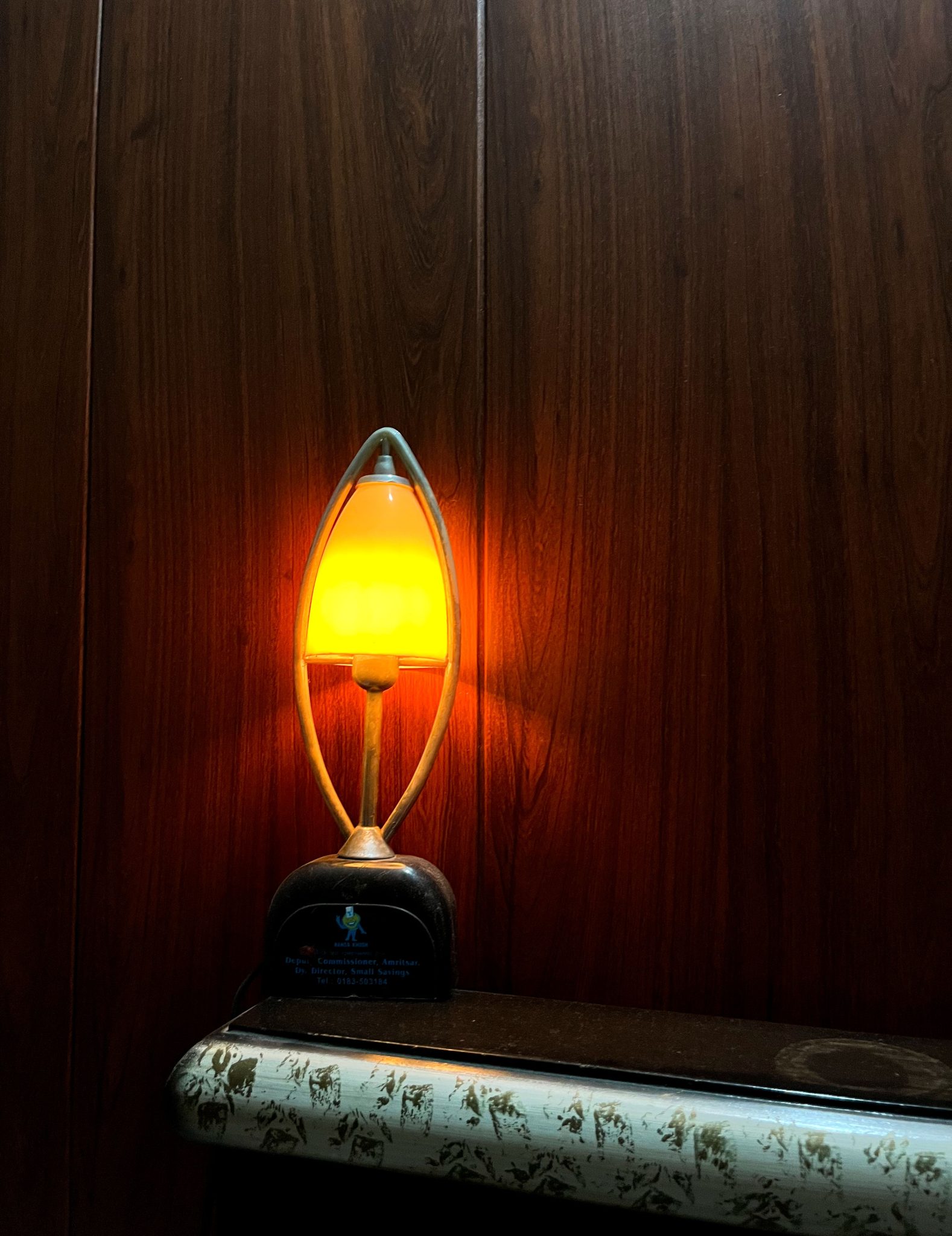
Most evenings go wrong at 9 p.m., not at bedtime. Bright, cool light in the two hours before sleep pushes your body clock later the same way a double espresso does, while dim, warm light does the opposite. Circadian lighting is nothing more than automating that switch — set it up once, and the room does the right thing every night without you touching a switch.
What circadian lighting actually means
Your body clock takes its cues from light, and it reads two things: brightness and color temperature. Bright light with a cool, bluish cast tells the brain it is daytime; dim light with a warm, amber cast lets melatonin do its job. That is the entire mechanism. There is no sensor in the bulb talking to your bloodstream — the light simply reaches your eyes, and your eyes report it to the brain.
In practical bedroom terms, circadian lighting means two states. The evening state is 2700K or lower, dimmed to a fraction of full output, from roughly two hours before bed. The morning state is brighter and a little cooler, to help you actually get up. Everything else — the app dashboards, the “biological rhythm” marketing — is decoration around those two states.
Honestly, you do not need a special bulb with a circadian badge. You need any dimmable smart bulb that can go warm and go low, plus a schedule you will not have to think about again.
The three-step setup
Step 1: pick the lights that matter. Only the lamps you use in the last two hours of the day count. In most bedrooms that is one bedside lamp, maybe a floor lamp or a ceiling fixture you switch off last. Leave the hallway and closet alone; they barely affect the clock and they cost extra.
Step 2: build two scenes, not one. The first scene, call it Evening, sits at about 2700K and 25 to 30 percent brightness — enough to read or fold laundry without feeling like an operating theater. The second scene, Wind down, goes lower: 2200K if the bulb allows it, and 10 to 15 percent brightness. If your bulb cannot reach 2200K, an amber night light plugged into a smart plug fills the gap for a few dollars.
Step 3: schedule it. Most apps let a scene fire at sunset or at a fixed time. Fixed times work better in bedrooms because your bedtime does not drift with the seasons. A common setup: Evening at 8:30 p.m., Wind down at 10:15 p.m., and a brighter, cooler scene that runs 15 minutes before your alarm. If you share the room, put the scheduled scenes on the side of the bed that needs them, and let the other side keep manual control.
A sample evening, in numbers
| Time | State | Setting |
|---|---|---|
| 6:30 p.m. | Normal use | 2700K, 60-80% |
| 8:30 p.m. | Evening scene | 2700K, 25-30% |
| 10:15 p.m. | Wind-down scene | 2200K, 10-15% |
| Night trips | Path light | Amber night light, under 20 lumens |
| 6:45 a.m. | Wake assist | Brighter, 3500-4000K for 15 min |
Lumens on the box are not lumens at the pillow, and the same caution applies here: a fabric shade or a lamp pointed at the wall cuts delivered brightness, so a scheduled 30 percent may land closer to what feels like 20. If a scene feels too bright in practice, lower it in the app once and never touch it again — that is the whole appeal of setting this up once.
Where people get it wrong
The most common mistake is over-buying. People automate the chandelier and ignore the two lamps actually used at midnight. Start with the bedside lamp and expand only if it feels pointless to keep doing it manually.
The second mistake is scheduling the wind-down too late. If the warm-dim phase starts fifteen minutes before sleep, your eyes barely get the message. Two hours is the textbook window; ninety minutes still works, and even forty-five beats nothing.
The third is weekend drift. A schedule that holds Monday to Friday but collapses into a bright, cool screen-and-ceiling-light marathon until 1 a.m. on Saturday trains your clock toward a permanent Monday jet lag. You do not have to be strict — just let the evening scene run on weekends too, even if you stay up later under it. If you want the fade-out to end in full darkness without a tap, a sleep timer on the wind-down scene closes the loop; the mechanics are covered in our guide to sleep timers and fade-outs.
Set it once, then leave it alone
The payoff of circadian lighting is not a dramatic transformation; it is one less decision at the end of the day. Pick the two lamps, build the two scenes, anchor them to fixed times, and spend the first week adjusting brightness until each step feels right. After that, the schedule should be boring enough to forget — which is exactly the point. If you are starting from zero and unsure which bulbs to buy first, our walkthrough of what actually matters in bedroom smart bulbs keeps the list short, and Kelvin explained in plain words covers the color temperature side in more depth.
Frequently asked
- Do I need special circadian bulbs with a wellness label?
- No. The label mostly adds price. Any dimmable smart bulb that can drop to 2200K and dim below 20 percent can run a circadian schedule. The automation matters far more than the marketing on the box.
- Which color temperature should I avoid at night?
- Anything above 3500K starts to feel clinical in the evening and is closer to daylight on the spectrum. Keep the last two hours of the day at 2700K or below, and reserve cooler 4000K-plus light for morning routines if you want a boost.
- Will circadian lighting help with jet lag or shift work?
- It can help at the margins. Light timing is the strongest signal your body clock responds to, so a strict warm-dim evening and a bright, cooler morning can pull your schedule in the right direction. It is a support tool, not a cure for a rotating shift pattern.