Buying Guides
Bulb Shapes and Bases: A19, E26, GU10 Decoded
If you buy through links on this page we may earn a commission at no extra cost to you.
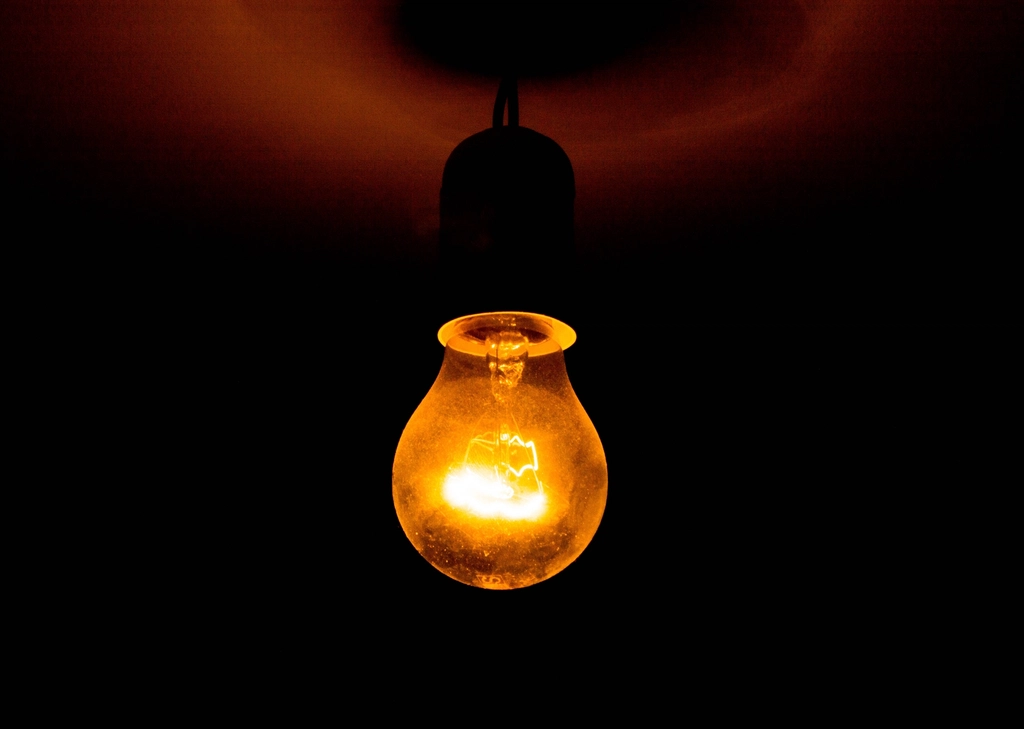
Those codes on the box are simpler than they look: the letter describes the bulb’s shape, the number is its width in eighths of an inch, and the base is the part that actually meets the socket. An A19 is a pear-shaped bulb 19 eighths of an inch — about 2.4 inches — across, sitting on an E26 medium screw base, which is the standard socket in nearly every North American lamp. Once you can read that, the lighting aisle stops being alphabet soup and turns into a parts list.
The letter is the shape, the number is the width
Start with the shapes you will actually meet. A19 is the classic pear, and it is what almost every table and bedside lamp takes. A15 is the squat little version hiding inside ceiling fans and some appliance lights. A21 is the big sibling that carries 1,100 lumens or more. G25 is the round globe you see over bathroom vanities. B11 is the slim candle shape in chandeliers and wall sconces. ST64 is the tall teardrop behind almost every “vintage Edison” bulb, with its amber filaments on display. BR30 and BR40 are the fat reflector bulbs that live in recessed ceiling cans, and PAR38 is their weatherproof outdoor cousin.
The number is always diameter in eighths of an inch, so a BR30 measures roughly 3.75 inches across. Shape is not just cosmetics, either. A globe spreads light in every direction, a reflector throws it in one direction, and a candle shape casts a narrow pool. Buying the wrong shape is how people end up with a bedside lamp that glows like a lighthouse or a ceiling can that points light at the floor.
Bases: the part that actually has to fit
Five bases cover nearly everything in a home. E26 is the medium screw — the default. E12 is the candelabra screw, the smaller one in fan light kits and dainty lamps. E17 is an in-between “intermediate” size you mostly meet in old appliances. GU10 is the twist-lock two-pin base for track heads and some recessed spots; you push in and turn, and the pins carry the power. GU24 is a chunky two-pin locking base that shows up on newer energy-code fixtures, and it is the one that quietly annoys people because the bulb is often a proprietary unit you replace less often than you would like.
Honestly, the most common mistake is not the shape at all — it is buying a bulb that matches the picture on the box and not the socket it has to enter. The base code is printed in small type on the back of the packaging; check it before the pretty stuff.
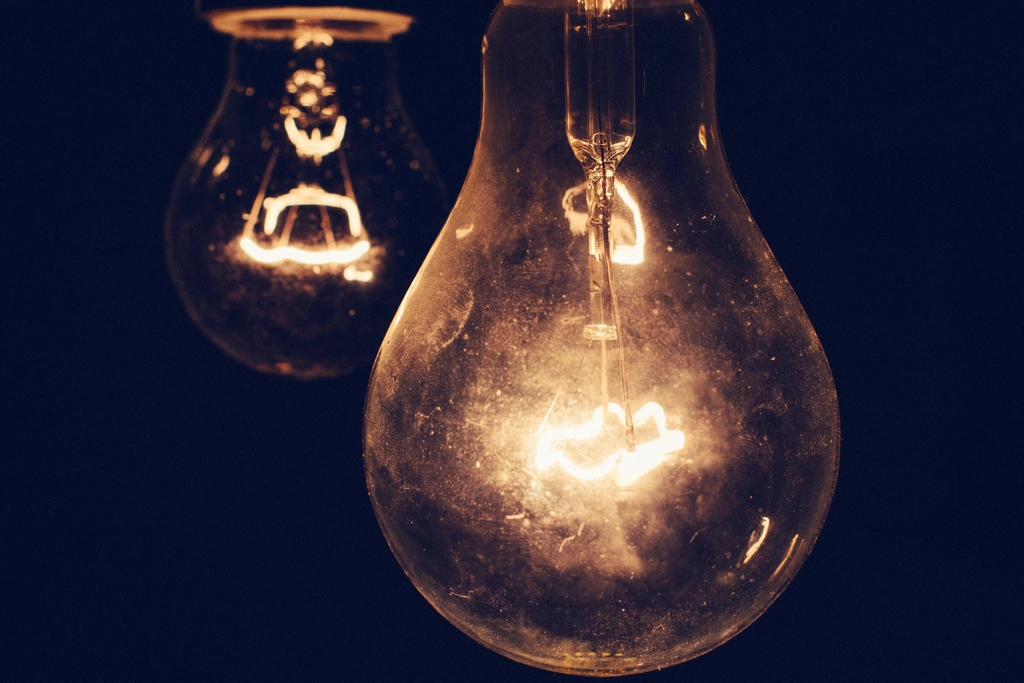
One near-miss worth knowing: E26 and E27 differ by a single millimeter, and they will often thread into each other’s sockets without complaint. That does not make them rated for it. If a fixture was built for E27 and you feed it E26 for years, the connection can run loose and hot. In practice, just buy what the fixture calls for.
Which shapes show up in a bedroom
A bedroom is friendlier than the full catalog. Bedside lamps take an A19 on E26 in the overwhelming majority of cases, and their harps — the wire cradle that holds the shade — are sized for that bulb. Step up to an A21 for brightness and you may find the shade will not sit straight. Ceiling flush mounts usually take an A19 or a small reflector. Ceiling fans use A15s or candelabra bulbs. Vanity strips want globes, and a bare-cord pendant is the one place where an ST64 Edison bulb earns its keep, because there the bulb itself is the decoration.
Match the shape to what the fixture is asked to do. A shade-covered bedside lamp hides the bulb completely, so a plain A19 costs less than a decorative one and performs identically. An exposed-bulb pendant is the opposite: the glass is on display all evening, so the bulb’s look is part of the purchase. And where the bulb is visible but close to your eyes — a nightstand lamp with a partially open top — a frosted A19 beats a clear one, because clear glass throws visible hot filaments straight at eye level.
Whatever shape you land on, the fitting rules stay the same. If the fixture is on a dimmer, the bulb says “dimmable” — no exceptions. If it sits inside an enclosed globe, pick a bulb rated for enclosed fixtures, because heat is what kills LEDs early. And match the light itself to the job: brightness in lumens and color in kelvin, not by the wattage on the front of the box.
Three rules that prevent most returns
First, match the base before anything else — a bulb that does not fit is a return trip no matter how perfect its color. Second, check clearance: harps, shades and enclosed globes all have opinions about bulb width, and the widest bulb is not automatically the brightest value. Third, buy the light, not the shape: the brightness and warmth numbers matter more in daily use than whether the glass is a pear or a teardrop. A bulb chosen this way fits the first time and behaves for years — which is the entire point of decoding the codes in the first place. If you want the numbers behind that last rule, our lumens-vs-watts explainer covers brightness, and the kelvin guide covers warmth — both are shorter reads than a wrong bulb is a wrong week.
Frequently asked
- Is E26 the same as E27?
- E27 is the metric version, one millimeter wider, used in Europe and Asia. The two often screw into each other's sockets, but they are not formally rated for it. Match the code printed on the fixture and you will never have to think about this again.
- Can I use a BR30 bulb in a table lamp?
- It will screw in if the base matches, but a BR30 is a reflector built to push a wide cone of light downward from a ceiling. In a table lamp you get glare in your eyes and a dark spot behind the lamp. Keep reflectors in the ceiling.
- What is the difference between A19 and A21?
- Same pear shape, different width: an A21 is 21 eighths of an inch across and usually carries a higher lumen output. Before upgrading, check that your shade or harp has the clearance, because the wider bulb may not fit.