Ceiling Lights
Bedroom Pendant Lights: Height and Position
If you buy through links on this page we may earn a commission at no extra cost to you.
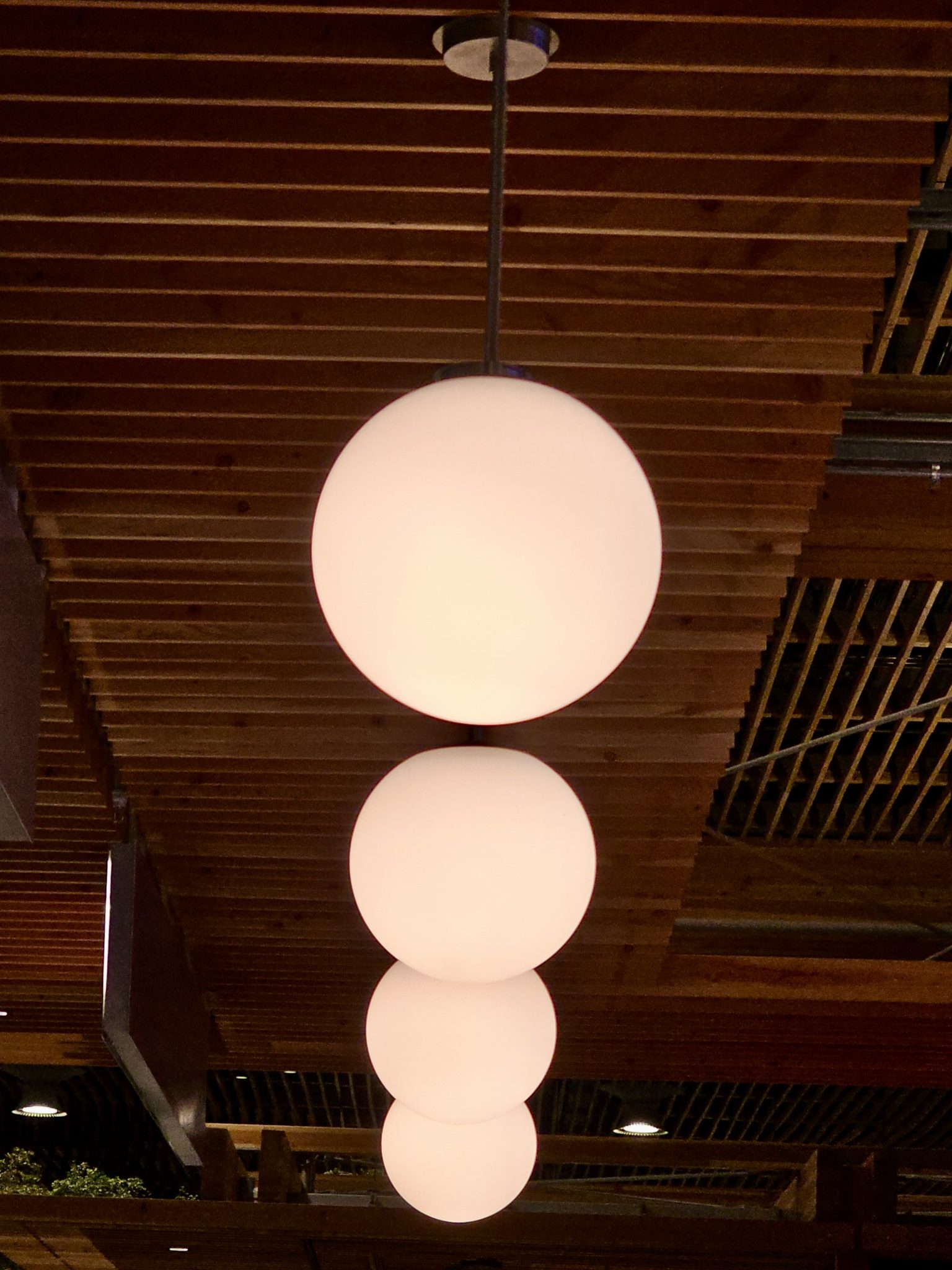
Swapping a builder-grade ceiling fixture for a pair of bedside pendants is the fastest visual upgrade a bedroom can take — and one of the few where the measurement, not the fixture, decides whether the result looks designed or accidental. Hang them at the right height and position and even a modest $50 fixture reads as custom. Get the numbers wrong and even a beautiful fixture becomes a head-knocker. The three picks below passed our checks on the numbers first.
Height: the 24 to 30 inch rule above the nightstand
Bedside pendants hang over the nightstand, not the bed, so the reference surface is the nightstand top. The bottom of the shade should land 24 to 30 inches above that surface — which, not coincidentally, is about where the shade of a good table lamp would end. At that height the light reaches your book from the same angle a lamp would, while leaving clear headroom when you sit up and swing your feet over the edge.
The floor-to-shade number that follows from this is usually 60 to 66 inches in rooms with standard 8-foot ceilings. But do not shop by floor numbers alone: nightstand heights vary by several inches, so the surface-relative measurement is the one to trust. One more check matters in low-ceiling rooms — if the shade bottom would sit below about 66 inches from the floor, shorten the cord and accept a slightly higher hang rather than an obstruction you duck under every night. Our guide to ceiling light height rules for low ceilings covers the room-scale version of this problem.
Position: over the nightstand, not the pillow
The correct horizontal position is centered over the nightstand surface, or at most a couple inches toward the bed from that point. Two common mistakes fix themselves once you think in terms of light cone: hanging the pendant too far toward the bed, which puts the shade in your sightline when sitting up, and hanging it too close to the wall, which throws light onto the headboard instead of the reading position. Measure from the wall to the nightstand’s center and mark that spot on the ceiling with a pencil before drilling anything — the mark either confirms the box location or tells you a swag hook is the better plan.
Aim for the shade to deliver light to the front half of the nightstand and the near edge of the pillow. A shade 8 to 12 inches wide handles this well; wider shades start to collide visually with the headboard. Pair the pendant with warm 2700K light and dimmable output — the same evening-light logic as any bedside lamp, which we detail in the bedside lamp lumens guide.
What we look for
Adjustable cord length. The fixture must hang at your measured height, not the factory default. A cord that adjusts in one-inch increments or a hardwire kit with a cuttable cord passes; fixed-length mini pendants that cannot shorten get marked down.
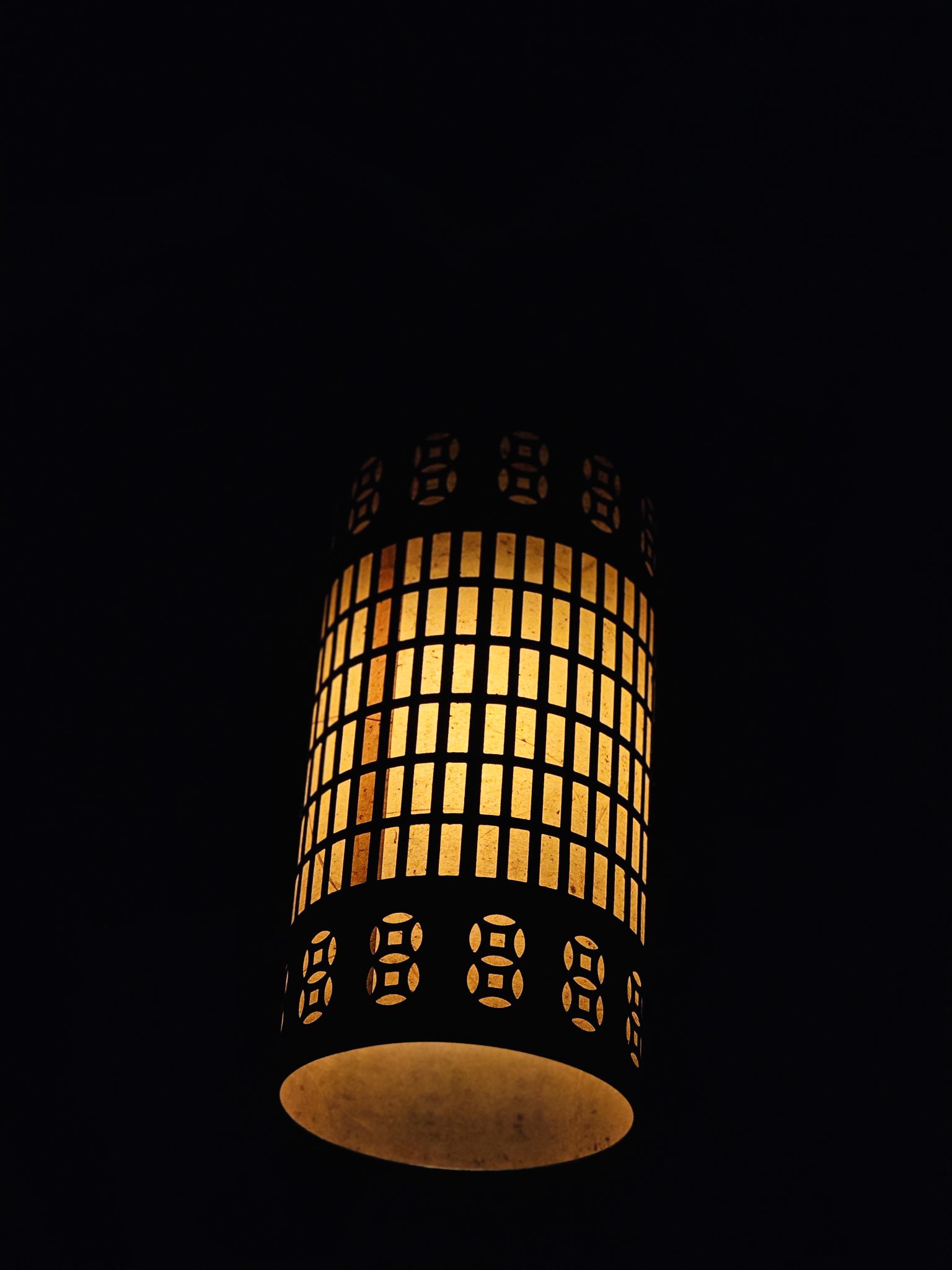
Shade geometry that blocks bedside glare. Look for shades with opaque tops and sides — light comes down, not into your eyes at seated height. Fully open globes work over tables, not beside pillows.
A reachable switch. An inline cord switch or a pull chain saves a nightly walk across the room. Hardwired fixtures without any switch need a smart bulb or a wall dimmer to be practical.
Weight and install simplicity. Pendants are light by nature; anything over 8 pounds complicates the canopy mount for no bedroom-relevant benefit.
A note on pairs: most people install two, one per side of the bed, and symmetry matters as much as any single-fixture check. Match the two hang heights within half an inch — eyeballing the install from the bed afterward is the only test that counts, since a one-inch mismatch reads as obvious while a quarter-inch reads as intentional. If the nightstands themselves differ in height, hang both pendants at the same height anyway and let the furniture absorb the asymmetry; light fixtures are the first thing the eye compares across a room.
Hardwired versus plug-in swag
Hardwired installs replace the ceiling box and look cleanest, but involve cutting power and basic wiring knowledge — our walkthrough of changing a ceiling fixture covers the process honestly. Plug-in swag pendants anchor to a ceiling hook, run their cord vertically down the wall to an outlet, and install in fifteen minutes with no electrical work. The cord-on-show look divides opinions; routed straight down and clipped neatly, most people find it looks deliberate rather than improvised. Renters almost always end up swagging, and honestly the result looks better than the flush mount it replaces.
One practical detail separates a tidy swag from a messy one: the position of the ceiling hook relative to the drop. The cord should leave the hook in a straight vertical line — hook placed directly above the intended hang point, not offset — because a cord that angles between hook and canopy never stops looking provisional, no matter how neatly it is clipped below. If you swag from an existing box offset from the nightstand, choose the hook position so the pendant’s final drop lands over the nightstand center, and keep the visible run to a single vertical line.
The picks
Adjustable-cord plug-in pendant
Generic contemporary · $50-70 · Rated 4.4/5
The most practical bedside pendant: cuttable or adjustable cord, an inline switch and a plug-in install that needs zero electrical work.
Best for: Renters and first-time pendant installs
- Cord adjusts to your measured 24-30 inch hang
- Inline switch keeps the nightstand reachable
- Plug-in swag install takes about fifteen minutes
- Visible cord run down the wall divides opinions
- Fabric-wrapped cords fray faster near the plug
Rattan shade bedside pendant
Generic boho · $60-85 · Rated 4.2/5
The best-looking pick: woven texture throws dappled, warm light and reads as decor first, though the open weave leaks some ambient glare.
Best for: Bedrooms where the fixture doubles as the design statement
- Woven shade casts a warm patterned light
- Lightweight canopy mounts easily
- Natural texture suits wood and linen palettes
- Open weave leaks a little sideways glare
- Harder to clean than fabric or metal shades
Glass globe mini pendant
Generic modern · $45-65 · Rated 3.9/5
A clean modern look at the lowest price in the bracket, held back by an open-bottom globe that exposes the bulb to seated eye level.
Best for: Bedrooms with high bedsides and no seated-sightline issue
- Slim globe silhouette suits small nightstands
- Clear glass shows bulb filament styling
- Lowest price of the three
- Open bottom means visible bulb glare when sitting up
- Fixed-length cord needs cutting for proper height
| Model | Cord adjustability | Shade width | Switch type | Install type | Price |
|---|---|---|---|---|---|
| Adjustable-cord plug-in | Cuttable, full range | 10 in | Inline cord switch | Plug-in swag | $50-70 |
| Rattan shade pendant | Adjustable chain | 12 in | Pull chain | Hardwire or swag | $60-85 |
| Glass globe mini | Cuttable only | 7 in | None (wall switch) | Hardwire | $45-65 |
Frequently asked
- How high above the nightstand should a pendant hang?
- Roughly 24 to 30 inches from the nightstand top to the bottom of the shade — about the same height a table lamp shade would reach. Hang it much lower and you clip it every time you reach for a glass of water.
- Can I install a pendant without an electrician?
- Yes, with a plug-in swag pendant: the cord runs to a hook near the ceiling and drops down to a wall outlet. It looks intentional rather than temporary when the cord is routed in a straight vertical line.
- Do bedside pendants replace table lamps entirely?
- For reading, yes — a shaded pendant at the right height delivers equivalent light. They free up the entire nightstand surface, which is half their appeal in small rooms.